

Reviews
Part of A framework for comparing payroll software using statutory scenarios and service checks
Six payroll providers to investigate, sorted by the employer each one suits
Six payroll software providers to investigate for employers in England, shortlisted by use case with official records, limitations and no invented ranking.
There is no defensible universal best payroll provider. The useful shortlist depends on workforce, pay pattern, pensions, integrations, operating model and support needs. These six options were selected for distinct investigation routes, not ranked from first to last.
This is a dated desk review, not hands-on testing. Product descriptions come from official supplier pages checked on 5 September 2026. Buyers must confirm the exact edition on HMRC's current recognised software list, run synthetic cases and obtain a tailored price.
What to take away
- There is no universal best payroll provider; the right choice depends on workforce, pay pattern, pensions, integrations and support.
- This is a dated desk review from 5 September 2026, not hands-on testing, so buyers must run their own checks.
- HMRC does not recommend one recognised product over another, so no provider is officially ranked first.
- Each of the six options suits a distinct investigation route, such as very small payroll or accounting-led workflows.
- Buyers should test no more than three finalists with identical synthetic data before making a decision.
1. HMRC Basic PAYE Tools: investigate for a very small, simple payroll
HMRC describes Basic PAYE Tools as software for employers with fewer than ten employees. It can calculate payroll deductions and report payroll information online. The official page also identifies limits, including that the tool does not produce payslips.
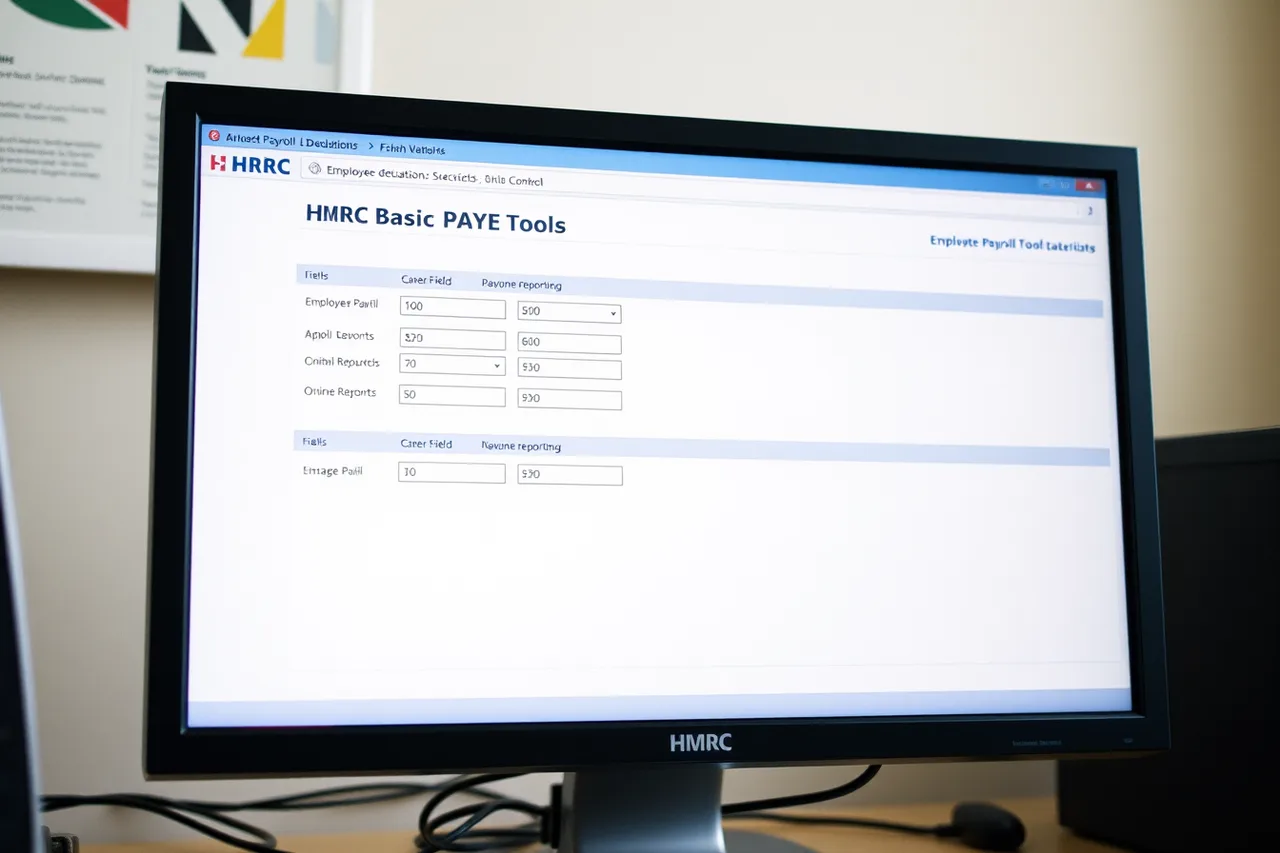
Shortlist it where cost and a narrow PAYE workflow matter most. Do not assume that an official tool supplies the broader pension, payment, collaboration or reporting functions a growing employer may need.
2. BrightPay: investigate for a dedicated payroll product
BrightPay's product comparison distinguishes editions and lists payroll, pension, reporting, payment and cloud-related functions. That makes it possible to check a requirement against a named product rather than the supplier brand in general.
Investigate the edition that fits employer count, platform and collaboration needs. Verify what is included, which connected services cost extra, and how migration and recovery work in the buyer's environment.
3. Sage Payroll: investigate where payroll sits beside Sage products
The official Sage Payroll page presents cloud payroll features, employee access and plan information for UK customers. An organisation already using Sage accounting or HR products may reasonably test the joined workflow.
The brand relationship is not evidence of effortless integration. Trial the exact data movement, permissions, reconciliation and support ownership. Check current plan limits and prices rather than relying on a remembered package name.
4. Xero Payroll: investigate for an accounting-led workflow
Xero's UK payroll feature record describes payroll within its accounting platform, including employee information, pensions, leave and reporting features. It may suit an employer or adviser wanting payroll and bookkeeping in one operating environment.
Test complex pay cases, pension-provider exchange, correction paths and accountant access. Confirm which subscription and add-ons are required for the expected employee population.
5. QuickBooks Online Payroll: investigate for QuickBooks users
Intuit's UK payroll page sets out its payroll proposition and current plan presentation. Existing QuickBooks users can examine whether payroll-to-accounts reconciliation and permissions reduce manual work.
Do not score familiarity as accuracy. Verify the precise payroll product, supported scenarios, employee pricing, pension process, exports and transition assistance in a controlled trial.
6. FreeAgent Payroll: investigate for eligible small-business customers
FreeAgent documents its payroll function and the accounts or business types for which it is available. Its pricing page also explains business-type plans and bank-linked availability, which can materially affect total cost.
This route merits investigation when eligibility and accounting integration align. Confirm employee capacity, pension workflow, statutory cases and any filing limitations before selection.
How to choose among the six
Create mandatory scenarios first, then test no more than three credible finalists with identical synthetic data. Score official reporting, payroll outcomes, pensions, correction, security, support, migration, evidence and full-year cost. Treat not tested as missing evidence, not success.
HMRC states that it does not recommend one recognised product over another. This list follows that boundary: it identifies documented options and fit hypotheses. A named, competent reviewer still needs to complete and disclose the tests before the page can become a scored recommendation.
Before you act
- Confirm the exact edition on HMRC's current recognised software list.
- Run synthetic cases and obtain a tailored price.
- Create mandatory scenarios first, then test up to three finalists.
- Score reporting, payroll outcomes, pensions, correction, security and support.
- Treat not tested as missing evidence, not success.
- Verify migration, recovery and full-year cost in your environment.
Common questions
Why does the article avoid naming a single best payroll provider?
The article states there is no defensible universal best payroll provider. The useful shortlist depends on workforce, pay pattern, pensions, integrations, operating model and support needs. The six options were selected for distinct investigation routes, not ranked from first to last. HMRC also does not recommend one recognised product over another.
What should a buyer do before choosing among the six providers?
Create mandatory scenarios first, then test no more than three credible finalists with identical synthetic data. Score official reporting, payroll outcomes, pensions, correction, security, support, migration, evidence and full-year cost. Treat not tested as missing evidence, not success. Confirm the exact edition on HMRC's current recognised software list and obtain a tailored price.
Which provider might suit an employer already using Sage accounting or HR products?
Sage Payroll is the option to investigate where payroll sits beside Sage products. The official Sage Payroll page presents cloud payroll features, employee access and plan information for UK customers.
An organisation already using Sage accounting or HR products may reasonably test the joined workflow, but the brand relationship is not evidence of effortless integration. Trial the exact data movement and support ownership.